
Excerpt from a work-in-progress, a biography of Kurt Vonnegut, by Hank Nuwer
Kurt Vonnegut: The Man in the Hole. A Life of Reinvention. by Hank Nuwer
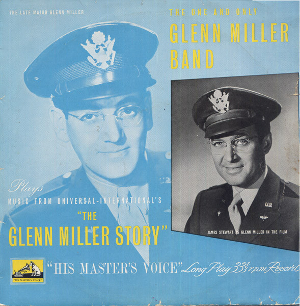
The weather stunk from England deep into Germany the night of December 15th. Freezing rain and snow grounded the aircraft of both sides. The skies were eerily quiet. One of the very few planes to venture into the sky from England carried band leader Glenn Miller.
Like celebrities such as Jimmy Stewart, the actor who one day would play Miller in the Hollywood version of the bandleader’s life, Glenn Miller gave his all for the war effort. Before leaving for Europe, he raised millions for war bonds in the U.S. by staging concerts in swing style. The Army awarded him the rank of captain.
Kurt Vonnegut and his vivacious sweetheart Jane had danced to many of Miller’s hits at the Cornell formal dance.
Miller’s next gig was in liberated Paris. The band’s manager, Don Haynes, dropped Miller and Lt, Col. Norman Bessell at Twin-Wood Farm airport in Bedford, England. Haynes wanted to accompany his boss, but Miller discouraged the request. He wanted Haynes to accompany the sixty-member band after the weather cleared.
The temperature was right at the freezing point when a C-64 Canadian Norseman landed to pick up Miller and a military aide. Veteran pilot Johnny Morgan, a USAAF flight officer, thought he could navigate the soupy weather by using the plane’s instruments.
Haynes had his doubts and begged Miller to reconsider.
“This weather would even ground a healthy bird, but I’ll go anyway,” Miller said.
 Three days later, Haynes and the orchestra landed in Paris in better weather. There the manager learned the C-64 never arrived. The military brass figured out that the plane had iced over in the air and plummeted into the chilly waters of the English Channel. All three died. [FN Hank Nuwer, Twice to Hell and Back,” Daily Advocate/Early Bird of Greenville, Ohio, December 21, 2021]
All that evening of December 15th, military brass wrung their hands. Without available air support, troops all over Europe were threatened.
My scholarly book also departs from “And So It Goes” in approach. I have taken years to find public documents and publications and lectures where I found Kurt Vonnegut’s words. His letters in books edited by Dan Wakefield and daughter Edie Vonnegut were important. Charles J. Shields conducted many memorable interviews. I respect his diligence even as I disagree with some of his conclusions in the biography. (He has declined to be interviewed for my book, and I respect his wish).
I conducted fewer interviews and concentrated on getting the facts right. I spoke in person only twice with Mr. Vonnegut. Based on those two conversations and years of research, I believe my scholarly biography will present a balanced portrait of Kurt Vonnegut. I still have work to do. Fans of Kurt Vonnegut still can help out by sending any letters, new material, corrections (including from “And So It Goes” or other Vonnegut books), or personal recollections to me at Hank Nuwer, PO Box 73446, Fairbanks, AK 99707. I still have interviews to do, and if readers have benefitted from my hazing work, etc., they are free to send donations with my thanks.